“Processed coffee” search results (3800)

Coffee processed by sun and water washing, and processed by different processing methods.
Ethiopia is the hometown of Arabica coffee, and it is in the forests of Kaffa that you can see wild Arabica coffee. In Ethiopian, coffee is called Bun or Buna, and coffee beans (coffeebean) may be translated from Kaffa Bun. Arabica coffee was discovered early in the Harald area, most likely
2016-05-07 Ethiopia coffee sun washing two processing different methods
Coffee beans are processed in two ways.
Aftertheharvest coffee bean processing: coffee pulp must be processed immediately after picking to prevent unsightly meat fermentation and rancidity. Coffee beans are processed in two ways, wet and dry.
2014-06-20 Coffee knowledge Coffee bean processing Coffee encyclopedia
Coffee beans are processed by drying.
There are two ways to prepare coffee beans for the roasting process. The method chosen has a significant impact on the final price and quality of coffee. The cheapest method of processing is called drying, which is used for lower coffee beans, while higher amounts are processed by wet processing (also known as washing). In recent years, Brazil has successfully invented a process called semi-wet treatment.
2015-11-05 coffee beans processing method what drying roasting process preparation two
Coffee beans washed and processed boutique coffee in war-torn areas of Burundi
High-quality coffee beans are refined by water treatment. The coffee beans with less impurities can be obtained by the water washing method, but if the water quality and time are not properly controlled during the fermentation process, the coffee beans will easily be infected with the sour taste of excessive fermentation. and dry beans also need to pay attention to timely re-inspection to prevent coffee beans from being contaminated by wet ground and sundries. Processed
2016-06-17 Burundi war region coffee beans washing treatment boutique
Processing of coffee beans after harvest drying and wet processing
After the harvest coffee bean processing: coffee berries must be processed immediately after picking to prevent pulp fermentation and decay. Coffee beans can be processed in two ways, wet and dry. The drying method is also called the natural method. Spread the coffee berries flat in the sun to dry. In the plantation, 50 square meters of coffee berries are laid on each hectare, or
2015-03-20 Coffee beans harvested processed dried wet After th
Coffee beans are processed by drying.
Fine coffee beans must be good quality beans without blemishes. It should have outstanding flavor, not without bad taste, but taste particularly good, coffee bean processing coffee beans refined processing about rough processing, separation, classification, fermentation, drying, shelling, polishing, classification, etc. 8 procedures. There are two ways to prepare coffee beans for the roasting process. The method chosen for coffee
2016-05-24 coffee beans processing way drying fine must flawless quality
Introduction to the methods of variety treatment in Ethiopian coffee flavor description and grinding degree production area
Washed coffee accounts for 35% of exports. Good quality washed coffee is processed with freshly picked fully ripe fruit, picked carefully and closely monitored by professionals. The picked clean coffee beans are pulped on the day of picking, then fermented, washed, dried and peeled. The humidity of processed coffee beans is kept at about 12%. Sun-cured coffee accounts for 65% of exports. Mainly by
2016-09-28 Ethiopia Coffee Flavor description Grinding degree producing area Variety treatment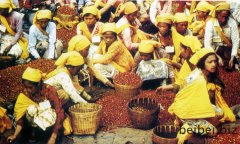
Wet and drying methods for post-harvest processing of coffee beans
After the harvest coffee bean processing: coffee berries must be processed immediately after picking to prevent pulp fermentation and decay. Coffee beans can be processed in two ways, wet and dry. The drying method is also called the natural method. Spread the coffee berries flat in the sun to dry. In the plantation, 50 square meters of coffee berries are laid on each hectare, or
2015-09-14 Coffee beans harvested processed wet dried After th
The grade flavor of Ethiopian coffee
Essel coffee is processed by two processing methods: sun and water washing. The flavor of coffee processed by different processing methods is very different. Generally speaking, the alcohol thickness and soil taste of washed Sidamo, Yirgacheffe and Limmu coffee are slightly lower, and the taste of sun-processed coffee is more wild. But Ethiopian coffee may taste different from batch to batch, which requires more cup tests before it can be found.
2016-06-01 Ethiopia coffee grade flavor
Drying processing of coffee beans after picking
Coffee berries must be processed immediately after picking to prevent pulp fermentation and decay. Coffee beans can be processed in two ways, wet and dry. The drying method is also called the natural method. Spread the coffee berries flat in the sun to dry. In the plantation, 50 square meters of coffee berries are spread on each hectare, or the fruit is dried in a special dryer.
2014-09-01 Coffee knowledge coffee bean processing drying method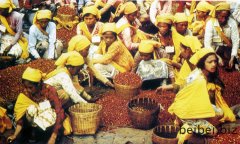
Post-harvest processing of coffee beans
After the harvest coffee bean processing: coffee berries must be processed immediately after picking to prevent pulp fermentation and decay. Coffee beans can be processed in two ways, wet and dry. The drying method is also called the natural method. Spread the coffee berries flat in the sun to dry. In the plantation, 50 square meters of coffee berries are laid on each hectare, or
2014-07-09 Coffee bean coffee bean processing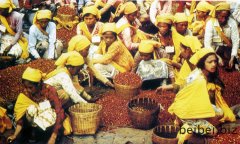
Coffee beans after harvest processing methods Coffee common sense
After the harvest: Coffee berries must be processed immediately after harvest to prevent fermentation and decay of the pulp. Coffee beans are processed in two ways, wet and dry. Drying method drying method is also called natural method. Spread the coffee berries out in the sun to dry. In the plantation, 50 square meters of coffee berries are spread on each hectare, or
2015-06-06 coffee beans harvest after processing method coffee common sense After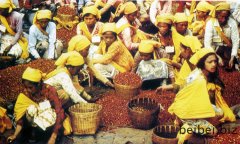
Post-harvest processing of coffee beans in Coffee Encyclopedia
After the harvest coffee bean processing: coffee berries must be processed immediately after picking to prevent pulp fermentation and decay. Coffee beans can be processed in two ways, wet and dry. The drying method is also called the natural method. Spread the coffee berries flat in the sun to dry. In the plantation, 50 square meters of coffee berries are laid on each hectare, or
2014-09-29 Coffee encyclopedia coffee knowledge coffee classification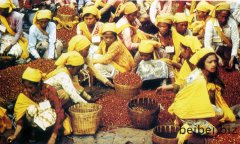
Post-harvest processing of high-quality coffee beans
After the harvest coffee bean processing: coffee berries must be processed immediately after picking to prevent pulp fermentation and decay. Coffee beans can be processed in two ways, wet and dry. The drying method is also called the natural method. Spread the coffee berries flat in the sun to dry. In the plantation, 50 square meters of coffee berries are laid on each hectare, or
2014-11-13 Coffee knowledge boutique coffee science coffee bean processing
Ethiopia Yega Xuefei Coffee Raw Bean
Ethiopia's Yega Chuefei has a floral fragrance, making it the most famous boutique raw bean in the world. It is particularly mild, with a floral fragrance, an afterscent around the tip of the tongue, and a gentle texture, all of which have become unique characteristics of Yejia Xuefei. Over the past few decades, Ethiopia's Yejasuefei raw beans have been processed by washing, that is, through the natural enzyme solution.
2016-06-06 Ethiopia Yega Sheffield Coffee Raw Bean
Introduction to the description of taste and flavor of high-quality coffee beans in Ethiopian coffee farm
Grade of Ethiopian coffee: Ethiopian washed coffee Yega Chuefei G1 G2 Sidamo (Yirgacheffe, Sidamo) has the highest grades 2 and 3 (G2, G3), while sun-processed coffee in eastern Ethiopia is mostly grade 4 or 5 (G4, G5). In many cases, level 4 coffee is marked as level 5 in order to reduce taxes. At present, the classification is not uniform and there are
2016-10-08 Ethiopia coffee manors producing areas varieties characteristics boutique coffee beans taste
How is the coffee processed?
There are many initial processing methods of coffee, which are mainly divided into dry processing, wet processing and semi-dry processing. Here we briefly introduce the first two processing methods. 1. Dry processing (dry process): the fresh coffee fruit is dried into dried fruit, and then the dried peel is removed mechanically to prepare raw coffee. 2. Wet processing (wet process): coffee fruit in aqueous medium
2014-08-13 Coffee knowledge coffee processing how to process coffee
High-quality coffee learns what is secret-processed coffee beans
Honey treatment is a kind of treatment which is between the sun treatment and water washing. It keeps the coffee clean, and although the brightness decreases, it increases the sweetness and caramel flavor of the coffee. The appearance of honey-treated beans has a distinct sticky layer. But the honey treatment method is very dependent on the local climate, the weather must be dry and adequate sunshine, otherwise it is not suitable for honey treatment. Honey treatment
2014-10-25 Coffee knowledge boutique caffeine honey treatment
Costa Rican SHB Grade Coffee cooked beans Fire Phoenix Red Honey processed Fine Coffee
Costa Rica Central Valley Cumbres del Poas country: Costa Rica grade: SHB producing area: central valley altitude: 1300-1500m annual rainfall: 3000 mm harvest month: December to February of the following year treatment: red honey varieties: Kaddura, Kaduai producer: fire Phoenix manor raw beans specifications: 18 mesh flavor: dried fruit, vanilla, honey
2016-05-19 Costa Rica SHB Coffee cooked beans Fire Phoenix Red Honey processing Fine products C
Japan has announced that it has successfully processed coffee grounds into feed
Japan's Minghe Industry will sell the feed to livestock farmers across the country from this autumn at a price of only 6 to 7 yen per kilogram. It is understood that about 100000 tons of coffee grounds are produced in Japan every year. Due to the high moisture content and perishability, they were used as compost before. (responsible Editor: coffee Sound)
2014-04-27 Japan announced success coffee processing feed real name industry will be in this autumn